
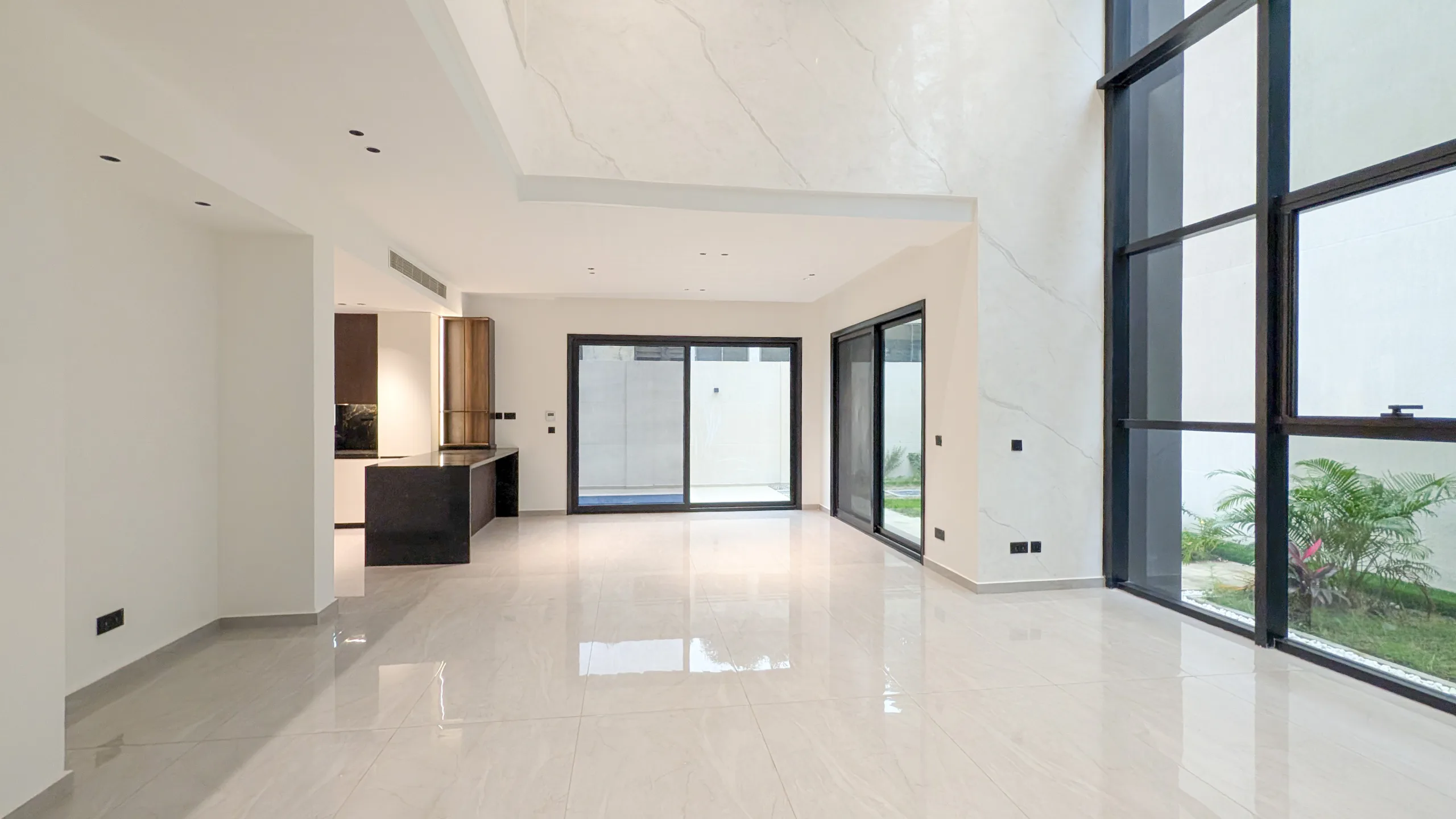
These 5 tips for first-time home buyers in Ghana help you avoid the mistakes that cost you money in 2026. Buying your first home feels like a win. The process also hides traps. Skip a legal search, misread a payment plan, or forget closing costs, and you lose thousands of cedis before you hold the keys. Most first-time errors follow one pattern. Learn the pattern. Step around it.
1. Budget for the Costs Beyond the Sticker Price
The mistake: looking only at the house price.
The fix: add the real costs on top.
In Ghana, complete registration runs about 5 to 8 percent of the property value once you include stamp duty, processing fees, and professional services. Buy a new build from a VAT-registered developer, and total buyer costs climb to roughly 8 to 11 percent, because residential developer sales carry 6 percent VAT, while a private resale stays lower at around 2 to 5 percent.
Plan for:
- Stamp duty: 1 percent of value for homes above GH₵50,000, paid at the Lands Commission
- Legal fees: 1 to 5 percent of the price
- Valuation fees if you borrow
- Service charges for apartments and gated homes
- Furnishing and small repairs
Leave a buffer for surprises. A budget with room protects you from rushed, costly decisions.
2. Hire Your Own Lawyer Before You Pay
The mistake: trusting verbal promises from a seller, agent, or relative.
The fix: pay for independent legal advice early.
About 80 percent of land in Ghana sits under customary ownership, managed by chiefs, clans, and families, which means the person showing you land sometimes holds partial rights, disputed rights, or none. A lawyer registered with the Ghana Bar Association runs a search at the Lands Commission, confirms the real owner, and flags mortgages, caveats, or double sales. The Land Act 2020 makes professional legal representation mandatory for all land conveyances.
Never use the seller’s lawyer. Get your own. This holds for new builds, off-plan units, and resale homes alike.
Ask your lawyer three things:
- Who is the registered owner today?
- Are there encumbrances or disputes on this title?
- Does the contract protect my deposit if the deal falls through?
3. Look Past the Building: Location, Title, and Type
The mistake: falling for a pretty unit and ignoring everything around it.
The fix: weigh three things before you sign.
- Location. Check commute times, access roads, schools, hospitals, and where the area heads in five years.
- Title. Confirm the home is registered and learn your interest, leasehold or freehold. Title status shapes resale and financing later. In Accra and Tema, you register title within three months of signing or risk an additional charge.
- Home type. An apartment, a townhouse, and a detached house each carry different upkeep, privacy, and cost. Match the choice to your life now and your plans next, whether kids, remote work, or renting the place out.
4. Choose Financing You Will Afford Next Year
The mistake: accepting any payment plan without reading the cost.
The fix: compare the full cost over time, not the monthly figure.
Ghana mortgage rates stay high. Cedi home loans run between 19 and 28 percent, while dollar loans sit near 10.5 to 11.5 percent. The Bank of Ghana held its policy rate at 14 percent in May 2026, down from a 30 percent peak in 2023, so the trend points down. Interest still stacks up fast.
Run this checklist:
- Will you afford the payment if rates rise or income dips?
- Have you compared total cost, not the monthly amount alone?
- Is every figure written into the contract?
Developer payment plans help here. Many spread payments across construction with no interest, which sidesteps bank rates. Read the timeline and penalties before you sign. Avoid stretching for a dream home you struggle to sustain.
5. Trust, but Verify Your Developer and Agent
The mistake: chasing the cheapest deal or the glossiest brochure.
The fix: check the track record first.
A reputable developer shows you finished projects you can visit in person. Past buyers vouch for them. Contracts read clearly, prices stay transparent, and titles are documented.
Watch for red flags:
- Pressure to pay fast without paperwork
- Refusal to allow a land search or legal review
- Shifting answers about title or permits
A trusted brand shields you from scams and stalled, half-built projects.
Putting These 5 Tips for First-Time Home Buyers to Work
Five moves protect your money: budget for full costs, hire your own lawyer, study location and title, pick affordable financing, and verify your developer. Each one guards your cash at a stage where first-time buyers slip. Follow these 5 tips for first time home buyers and you enter 2026 ready to buy with confidence, not regret.
Questions First-Time Buyers Ask
How much should first-time buyers budget for closing costs in Ghana?
Around 5 to 8 percent of the property value for stamp duty, legal fees, and registration. A new build from a VAT-registered developer reaches 8 to 11 percent.
Do I need a lawyer to buy a home in Ghana?
Yes. The Land Act 2020 makes legal representation mandatory for land conveyances. Use an independent lawyer, never the seller’s.
What are mortgage rates in Ghana in 2026?
Cedi mortgages run about 19 to 28 percent and dollar mortgages near 10.5 to 11.5 percent. The National Home-ownership Fund scheme offers a lower rate around 13.5 percent.
Is stamp duty lower for first-time buyers?
No. Ghana has no first-time buyer relief, so stamp duty applies by value band, at 1 percent for homes above GH₵50,000.
Buy Your First Home With VAAL
VAAL Real Estate Ghana helps first-time buyers move from renting to owning without the costly slip-ups. You get clear titles, professional documentation, and structured payment plans built around construction stages. No guesswork on cost. No hidden traps.
Talk to the team:
Toll-free: 0800 888 888
Hotline: +233 243 389 999
Email: info@vaal.com.gh
Web: vaal.com.gh
Visit: One Airport Square, Airport City, Accra
Book a consultation and choose a home, location, and payment plan matched to your goals.