
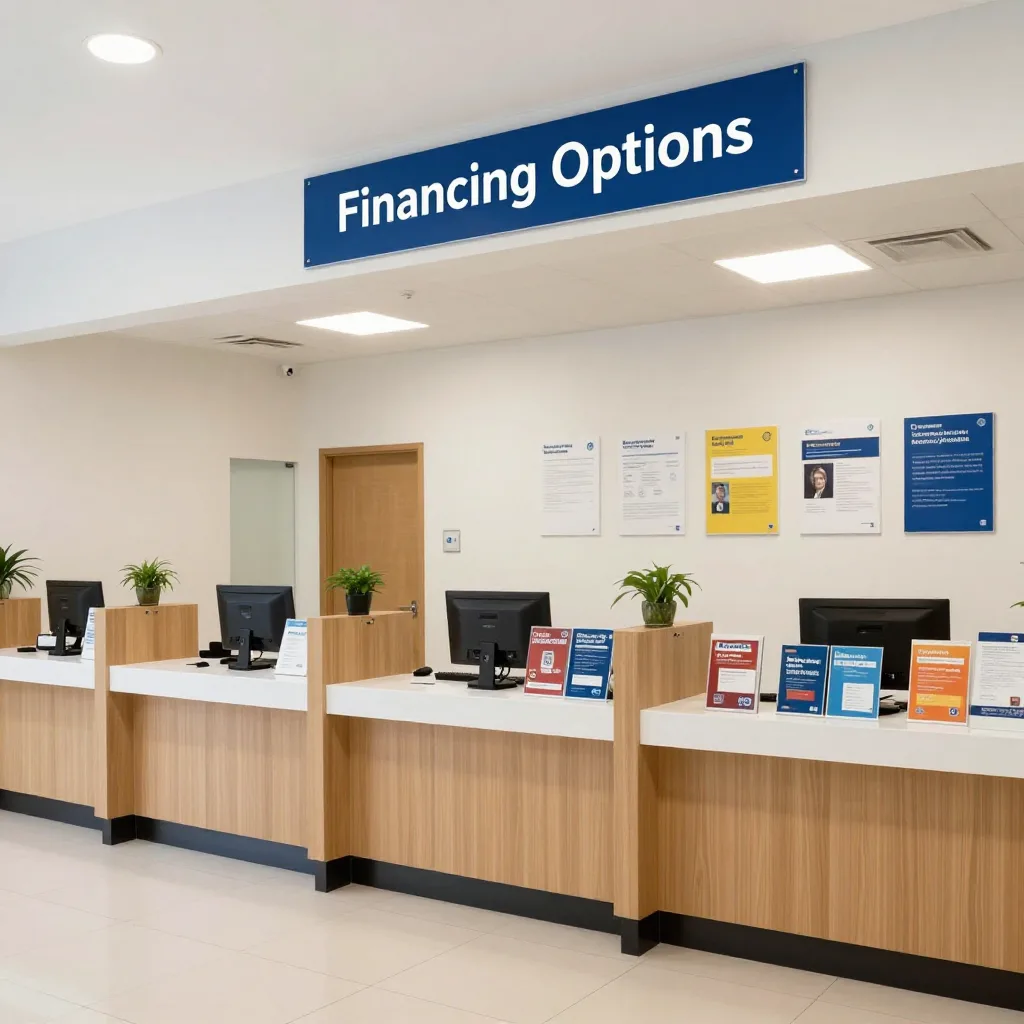
Most people in Ghana still believe you need a full briefcase of cash to buy a home. That belief keeps thousands of qualified buyers on the sidelines for years. In 2026, that story has changed. Financing options for buying houses in Ghana have grown wider, more structured, and more accessible than at any point in the country’s history. Whether you earn in cedis, dollars, or pounds, there is likely a path to ownership that fits your situation.
Here is a clear breakdown of what exists today.
Conventional Bank Mortgages
The most familiar route. Banks like Republic Bank, First National Bank, Ecobank, Absa, Stanbic, and GCB offer standard home loans in cedis.
In 2026, Ghana’s Reference Rate stands at 15.68%, the most favourable lending environment in over four years, with cedi mortgage rates sitting around 18% to 26% annually. Tenors run between 10 and 25 years. Citizens typically need a 20% down payment, while non-citizens are required to put down 30%.
Who is this for? Formally employed Ghanaians with verifiable income, stable credit history, and a clean property title. If you tick those boxes, this is a proven entry point.
Diaspora and Foreign-Currency Mortgages
If you live abroad and earn in USD, GBP, or EUR, this option was built for you.
The average cedi mortgage rate for local buyers hovers around 27%, while diaspora mortgage rates average 11.5%, structured in foreign currencies to reduce cedi depreciation risk. Republic Bank’s partnership with Seso Global lets diaspora buyers search verified properties and complete mortgage applications entirely online, without flying to Accra. Absa offers up to 90% financing in local currency and 80% in USD.
One caution: if your rental income or eventual sale proceeds will be in cedis but your debt is in USD, you carry FX risk. Match your income currency to your loan currency where possible.
Government-Linked Housing Schemes
The National Mortgage Scheme partners with banks to offer subsidised rates below open-market levels for qualifying buyers. The National Housing and Mortgage Fund targets rates below 20% for specific income groups, funded through government guarantees.
These schemes suit first-time buyers and lower-to-middle-income earners who cannot meet standard bank criteria. The catch: eligibility is tied to income brackets, employment type, and participating developers. Check which banks in your area are enrolled.
Developer Instalment Plans
This is the most popular route for off-plan and under-construction purchases in 2026.
Buyers pay in stages directly to the developer, often over 12 to 36 months, with minimal bank involvement. At VAAL, for example, buyers across projects like AGORA and Legato Heights pay a reservation fee, then structured instalments across the construction period. Many of these plans are interest-free.
The benefit is speed and simplicity. No bank underwriting, no credit score analysis. The trade-off is a shorter repayment window, which means higher monthly obligations. Confirm the developer’s title documentation and construction track record before committing.
Pension-Backed and Employer-Assisted Mortgages
Ecobank’s pension-backed mortgage offers 100% financing at 19% annual interest, significantly below the 24% to 36% market average for standard cedi loans. Tier 2 and Tier 3 pension funds serve as collateral, which removes the deposit barrier for eligible borrowers.
Employer-assisted programs work similarly. Larger companies partner with banks to give staff group-negotiated rates, salary deduction repayments, and partial deposit guarantees. If your employer runs such a program, it is worth asking HR directly.
Choosing the Right Path
Before you approach any lender or developer, ask yourself three questions. First, what currency do I earn in? Second, can I manage a short, high instalment, or do I need a longer, lower payment? Third, is the property properly titled and registered?
At VAAL, we help buyers work through these questions clearly. We connect clients to partner banks, walk through realistic repayment projections, and match buyers to projects that align with their preferred financing structure. Our developments across Accra are built to international standards, which means lenders and investors treat them as bankable assets from day one.
Ownership is not a decade away. With the right financing structure, it is closer than most buyers in Ghana currently believe.
Contact VAAL Real Estate Ghana today for a financing readiness assessment. Call us toll-free on 0800 888 888, email info@vaal.com.gh, or visit vaal.com.gh to explore current projects and payment plans.
Frequently Asked Questions
What minimum deposit do I need for a typical bank mortgage in Ghana?
Citizens generally need 20% of the property value. Non-citizens need 30%. Some pension-backed products from lenders like Ecobank offer 100% financing for eligible borrowers.
Are interest rates likely to fall further, or should I buy now?
Rates have already dropped significantly in 2026. Ghana’s Reference Rate sits at 15.68%, and cedi mortgage rates have come down from 29.5% to the high teens. Waiting carries its own cost as property values in prime Accra locations continue to rise.
Can I combine a bank mortgage with a developer payment plan?
Yes. Some buyers put a deposit under a developer plan, then secure a bank mortgage to cover the balance at completion. Confirm this structure with both parties in writing before proceeding.
Is a developer’s instalment plan safer than a bank mortgage?
It is simpler, but not automatically safer. Verify the developer’s title, construction permits, and delivery track record. Established developers like VAAL provide documented proof at every stage.
What documents do banks typically require for a home loan in Ghana?
Expect to provide a valid national ID, six to twelve months of bank statements, a tax clearance certificate, a salary certificate or business financials, and the property’s title documents. Diaspora applicants add proof of foreign income and sometimes a co-applicant resident in Ghana.