
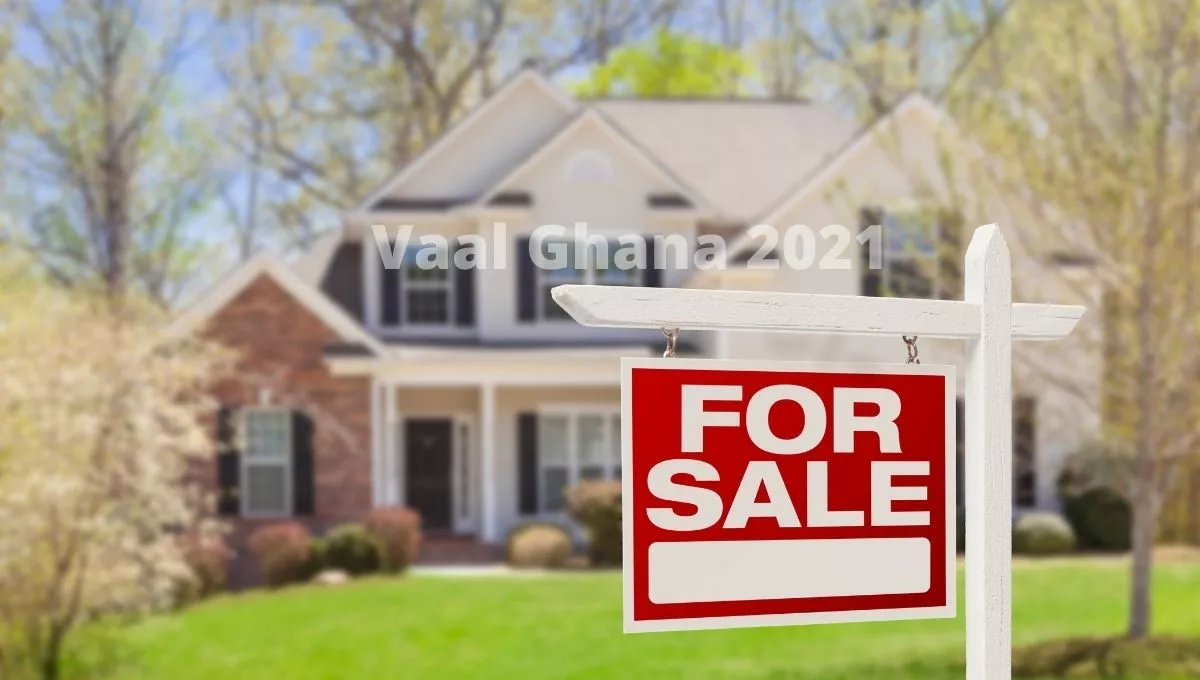
For home buyers in Ghana, a home is more than a building: it is security, family, lifestyle, financial stability and, increasingly, a long-term investment. The right property must therefore work emotionally and financially — today and years after the keys change hands.
That distinction matters in Ghana.
The Ghana Statistical Service reports that only 48.4% of households live in owner-occupied dwellings. In Greater Accra, the figure falls to just 36.4%, while 47.6% of households rent. At the same time, Ghana continues to face an estimated housing deficit of about 1.8 million units.
Homeownership, in other words, remains a major aspiration rather than something every household has achieved.
But what makes a property feel like home?
What Do Home Buyers in Ghana Really Want?
Most buyers begin with bedrooms, bathrooms, location and price. After years of speaking with property buyers, however, you quickly realise that the final decision is rarely made on specifications alone.
A couple may walk into two similar two-bedroom apartments and immediately prefer one.
Why?
Perhaps the living room feels better for entertaining family. The kitchen connects naturally with the rest of the home. There is enough storage. The neighbourhood feels secure after dark. Their commute becomes easier. Or they can picture raising their children there.
A home works when the numbers and the life you intend to live inside it make sense together.
1. Security and peace of mind
Ask many buyers in Accra what matters most, and security will enter the conversation quickly.
That means thinking beyond a lock on the front door.
Buyers increasingly look at controlled access, security personnel, CCTV, lighting, parking, backup systems and the wider environment surrounding a development.
There is also another form of security: security of ownership.
Before buying property in Ghana, purchasers should establish who owns the land or property, investigate its title and interests affecting it, use independent professional advice and understand exactly what their agreement gives them.
A beautiful apartment cannot provide peace of mind if its ownership documentation keeps you awake at night.
2. A Home That Fits Your Actual Life
One of the easiest property mistakes is buying for the person you are today while ignoring who you may become tomorrow.
A young professional may initially want a stylish one-bedroom apartment close to work. Three years later, working from home, marriage, or a child can completely change the space required.
Before buying, ask:
“Will this home still work for me in five years?”
Think about storage, parking, accessibility, children, guests, working from home and how easily rooms can serve more than one purpose.
This has become particularly important as Ghana’s household structure evolves. Ghana Statistical Service found average urban household size fell from 4.1 people in 2010 to 3.3 in 2021.
Good residential design should respond to how people actually live rather than simply squeezing more rooms onto a floor plan.
3. Location Is Really About Time
Buyers often say, “I want a good location.”
But what exactly makes a location good?
For an owner-occupier, it may mean being close to work, school, family, restaurants, healthcare or the airport. For an investor, tenant demand and rental performance may matter more.
Consider the difference between saving GH₵20,000 on a property and adding another 40 minutes to your daily journey.
Over several years, that is an enormous amount of your life spent in traffic.
This is why established Accra neighbourhoods and well-connected areas continue to appeal to buyers even when comparable properties can be found for less farther away.
Buy the neighbourhood as carefully as you buy the apartment.
Visit at different times of day. Test the commute. Look at access roads. Check what is being built nearby. Then ask yourself whether you would genuinely enjoy living there.
4. Homeownership Is Also About Financial Security
A home carries emotional value, but buyers should never allow emotion to remove financial discipline.
Ghana’s housing-finance environment is changing. In August 2026, the National Homeownership Fund announced the resumption of lending under the National Mortgage Scheme at an 8.4% interest rate, with terms of up to 20 years for qualifying borrowers.
That is encouraging, but affordability remains personal.
Before purchasing, calculate more than the advertised price. Consider legal and registration expenses, mortgage repayments where applicable, furnishing, insurance, service charges, maintenance and your emergency cash reserve.
A home should increase your sense of stability, not leave your household permanently stretched.
5. For Many Ghanaians, A Home Is a Legacy
This is where buying property becomes deeply personal.
A home can become something children grow up in, an asset that remains within a family or a source of rental income later in life.
That changes how you should evaluate it.
Don’t ask only:
“Do I like this property?”
Also ask:
“Will someone else value this property ten years from now?”
Location, build quality, management, accessibility, surrounding infrastructure, and the reputation of the development all influence long-term desirability.
The most successful purchase often sits at the intersection of a home you enjoy living in and an asset somebody else would eventually want to buy or rent.
6. Amenities Should Solve Problems, Not Decorate Brochures
Swimming pools photograph beautifully. That does not automatically make them valuable to you.
The best amenity is one you actually use.
For one buyer, that could be a gym downstairs because it saves several hours each week. For a family, it might be a children’s area. For someone working internationally, reliable power, security and professional property management could matter far more than an elaborate residents’ lounge.
Before paying a premium for amenities, ask three questions:
Will I use it? Does it improve my everyday life? Will future buyers or tenants value it?
Three yeses usually tell you far more than a glossy brochure.
7. Good Property Management Matters After You Buy
This is often overlooked.
You can purchase an excellent apartment in a desirable Accra neighbourhood and still have a frustrating ownership experience if the development is poorly managed.
Who maintains the common areas? How is security handled? What happens when the lift stops working? Is there backup power? How are service charges calculated? Is there a sinking fund for major future repairs?
These questions are particularly important when purchasing an apartment because your experience depends partly on spaces and systems you do not individually control.
At VAAL, we believe buyers should evaluate the building’s life after handover, not just its appearance on handover day.
A Simple Home-Buyer Test
Before committing to a property in Ghana, score it against these seven questions:
- Can I comfortably afford the total cost?
- Is the ownership and documentation clear?
- Does the location improve my everyday life?
- Does the layout suit my needs now and later?
- Do I feel safe and comfortable here?
- Is the property likely to remain desirable?
- Is the development professionally managed?
A property that performs strongly across all seven is much closer to being a genuine home than one chosen simply because the kitchen looked impressive during a viewing.
The Meaning of Home Has Changed, But the Feeling Hasn’t
Ghana’s residential market has changed considerably since this article was first written. Residential structures increased by 72.8% between 2010 and 2021, yet the country still faces a significant housing shortage. Greater Accra also has Ghana’s lowest proportion of households living in owner-occupied dwellings.
That makes choosing the right home particularly meaningful.
For home buyers in Ghana, the best property is not necessarily the biggest apartment, the longest amenity list or the most expensive address. It is the place where location, security, affordability, design, management and long-term value come together and where you can genuinely imagine your life unfolding.
That is when a property stops being four walls and starts becoming home.
Frequently Asked Questions
What do home buyers in Ghana look for most?
Location, security, affordability, good documentation, practical layouts, reliable utilities, amenities and long-term value are among the most important considerations. Priorities vary depending on whether the property will be a primary residence or investment.
Is buying a home in Ghana a good investment?
It can be. The investment case depends on purchase price, location, rental demand, property management, maintenance costs and future resale demand. Buyers should assess the financial return separately from their emotional attachment to a home.
Is it better to buy an apartment or house in Accra?
Neither is automatically better. Apartments can offer central locations, shared amenities, security and easier maintenance, while houses may provide more private space and land. Your budget, lifestyle and investment objective should determine the choice.
What should I check before buying property in Ghana?
Verify ownership and property documentation, conduct appropriate searches and due diligence, understand the sale agreement, inspect the property or development, establish all additional costs and obtain independent professional advice before committing significant funds.
What makes a property feel like a home?
A property begins to feel like home when it provides security, comfort and belonging while supporting the owner’s everyday routines, relationships and future plans. Good design helps, but location, community and peace of mind are equally important.
Find a Home That Works Beyond the Floor Plan
Choosing a home deserves more thought than choosing a property from photographs.
Explore VAAL’s residential developments in Ghana and compare locations, layouts, amenities and living environments with the way you actually want to live. The goal isn’t simply to own another set of keys. It is to find somewhere worth calling home.